What the programmer looks at in 30 seconds before saying no
For twenty years, I have been in the wings of festivals: as a journalist, as a host, as a master of ceremonies. I have seen huge artists miss out on a stage, and unknowns land a date because their file was ready. A programmer receives hundreds of proposals. They don't listen to you first: they look at you, fast. Here is what they look for in those first thirty seconds.
1. A live video, not a music video
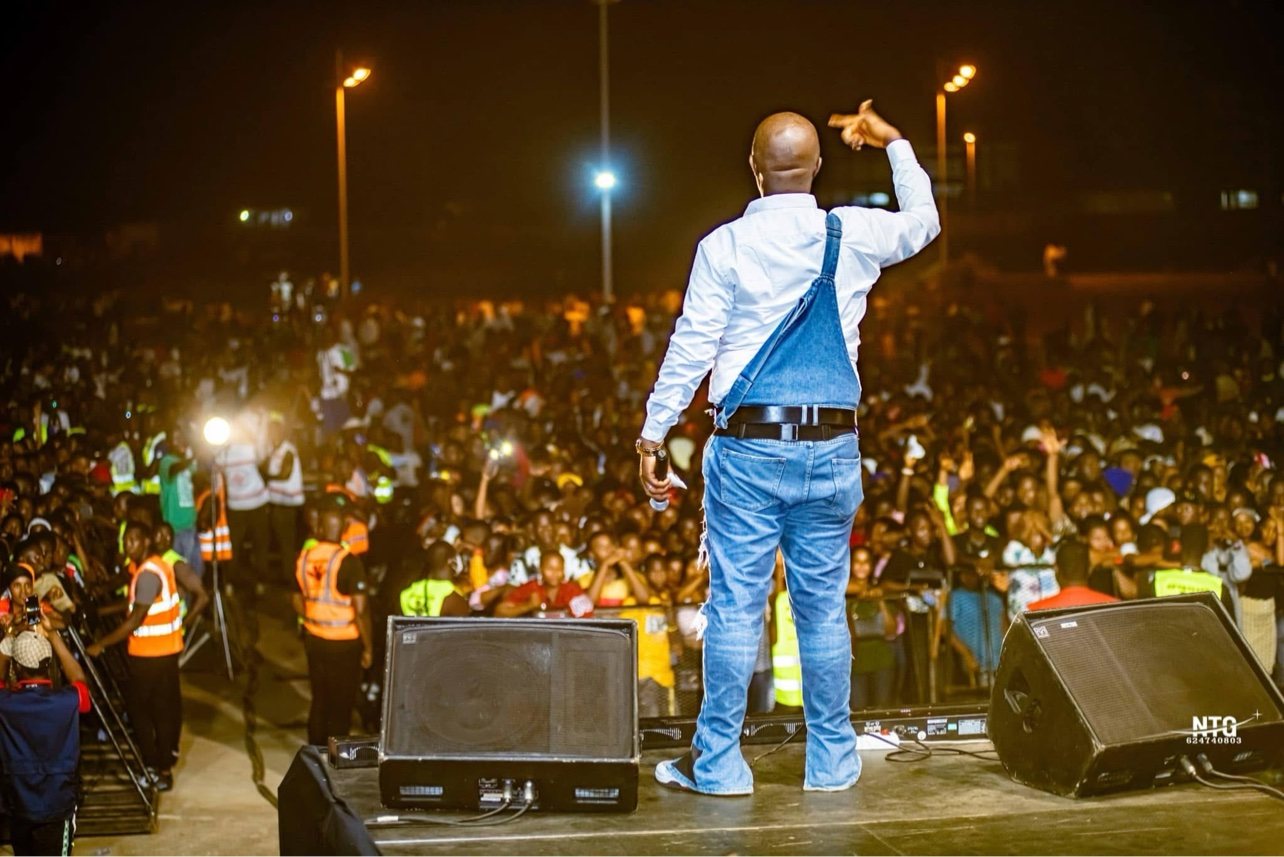
The music video shows your song. The live video shows what you will do on their stage. The programmer wants to know one thing only: will the crowd move?
I learned it one night, at Fristival, the festival of Fria, in Guinea. I was hosting the stage. They announced a young artist I didn't know: the son of CX, a very well-known radio host in Guinea. I introduced him, he took the microphone… and within seconds, the audience was in a trance. Nobody expected him, and he turned the whole town upside down. That night, I had trouble letting him leave the stage. That is exactly what a programmer looks for in a video: that moment when the crowd tips over.
What to do: put first a live video of two or three minutes, with an audience, good sound and your best moment in the first minute. A concert video filmed on a phone, with a real crowd, is worth more than a perfect music video.
2. A photo that makes people want more, not a blurry selfie
The photo is often the first thing they see. It is the one that will end up on the poster and on the festival's social media. A blurry, badly framed or old photo tells them you are not ready.
What to do: three recent, sharp, high-definition photos: one on stage, one portrait, one horizontal for banners. With the photographer's name.
3. Three lines that say who you are
Nobody reads a two-page biography. The programmer wants to know in three lines: your style, where you come from, and what makes you different. The rest, they will read if they are interested.
What to do: a short presentation in three sentences, then a longer biography below, for those who want to know more.
4. What you have already done, for real
The festivals where you have played, the support slots, the awards, the radio and TV appearances. No need to be a star: a programmer likes to see that an artist is moving forward, that they have already held a stage in front of a real audience.
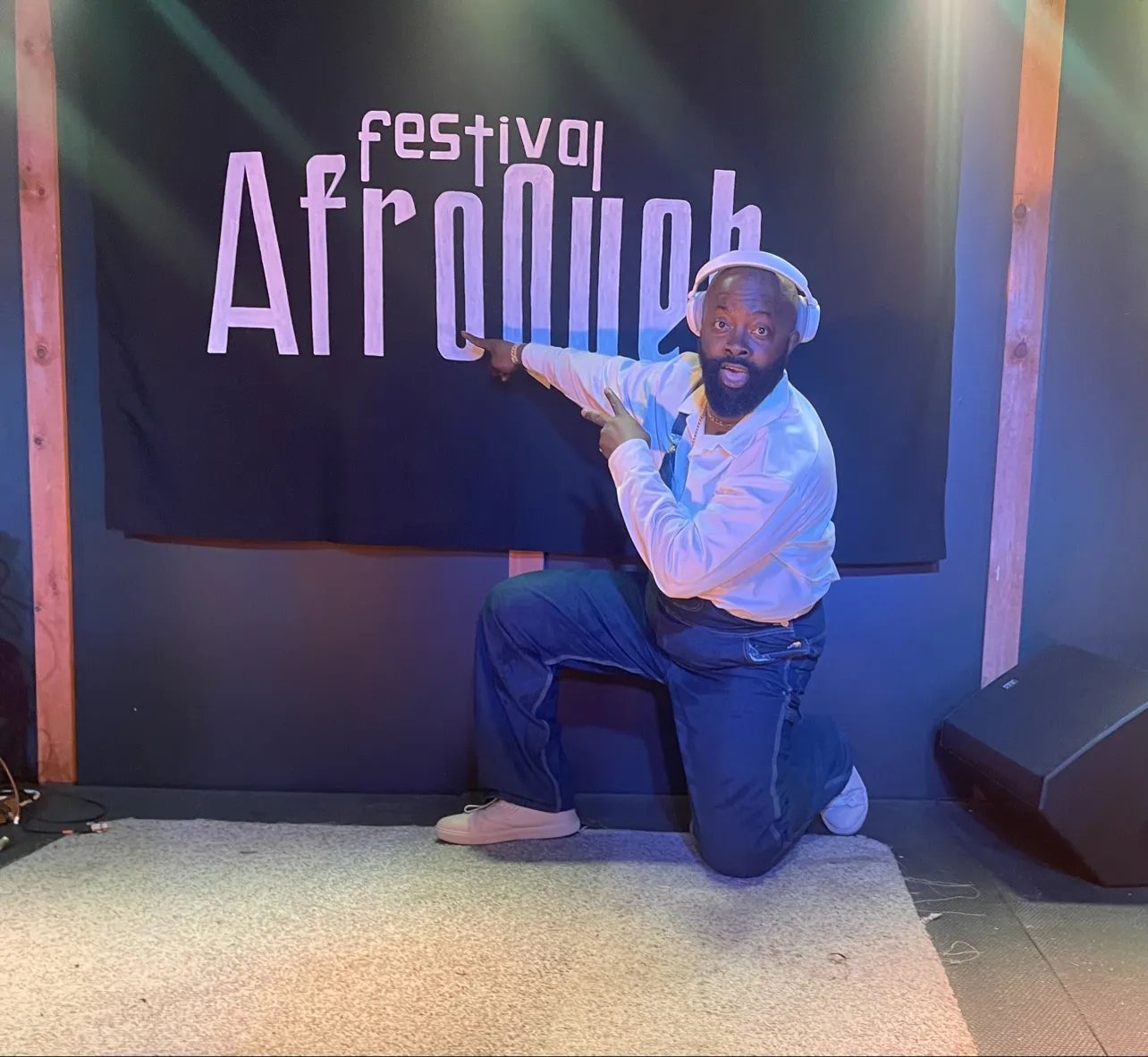
What to do: a short, verifiable list, with dates and places. Nothing exaggerated: in this business, everyone knows everyone, and everything can be checked.
5. A contact who answers
It is the silliest mistake, and it can cost very dearly.
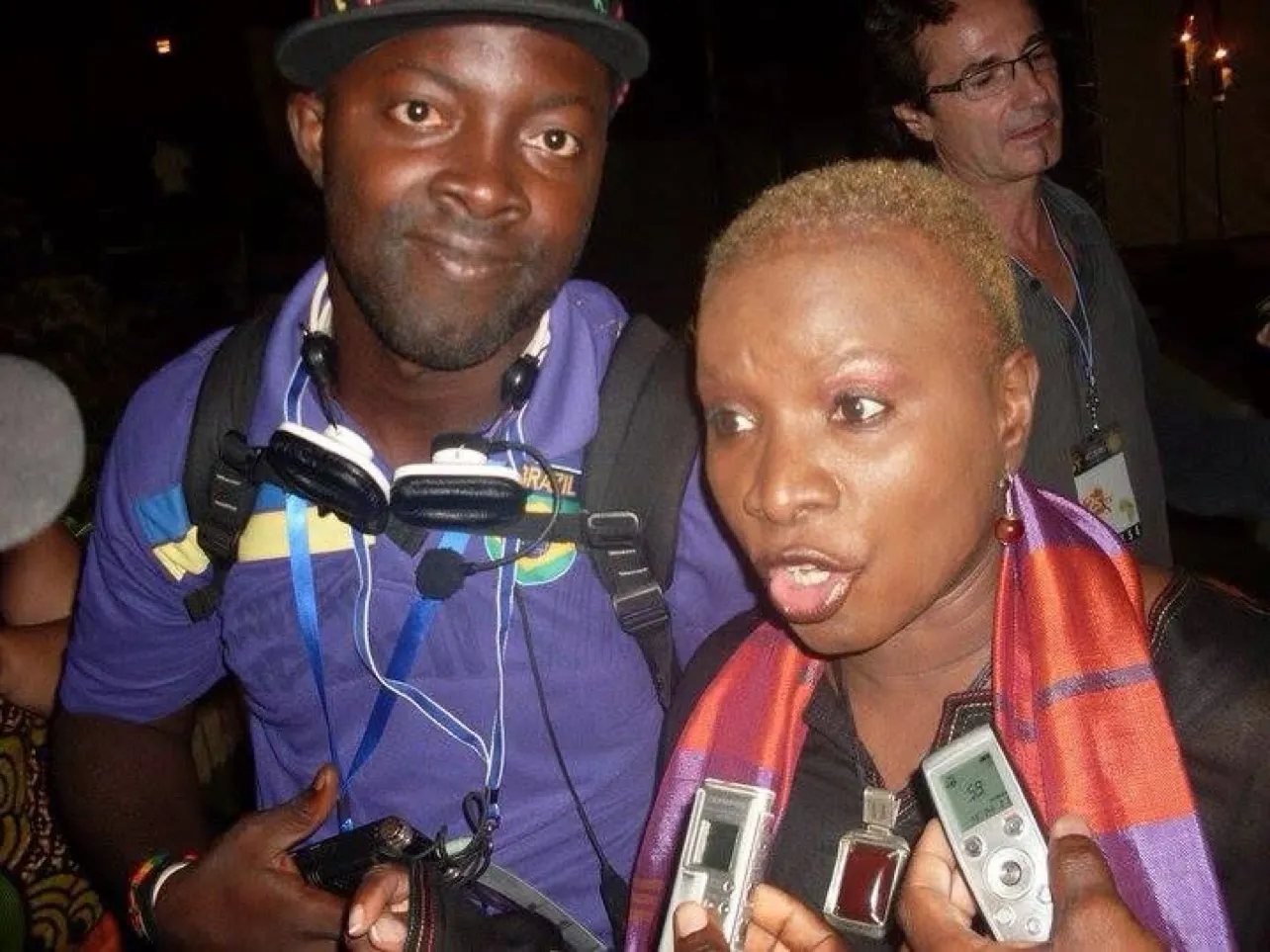
One night, during one of my live broadcasts, one of my uncles called me to tell me a story that shocked me. An American programmer he works with was looking for a Guinean artist for a big festival in Las Vegas. He was thinking of a very big star of the country, a woman who fills stadiums and has an immense community.
He wrote to her by email. He wrote to her on Facebook. He called her number. No answer. It was a contract that could have brought her a lot. Getting no reply, they gave up, and the stage went to someone else.
What to do: a single booking contact, up to date, who answers within 48 hours. If you don't have a manager, it's you — and that's perfectly fine. A star who doesn't answer loses dates; an unknown who answers fast wins them.
6. What you cost and what you need
A programmer works with a budget. They want to know quickly how many of you are on stage, what you need technically and whether you can travel. An artist who can't answer these questions wastes their time.
What to do: prepare a simple sheet: the number of musicians, the possible formats (solo, trio, full band), the technical rider, the length of the show, and your travel situation (passport, visas). The fee is discussed afterwards, directly.
7. One single link, not ten attachments
A fifteen-page file attached, files that are too heavy, links that don't open: the programmer closes and moves on to the next. Everything must fit in a single link, which opens on a phone.
What to do: gather video, photos, presentation, track record, technical rider and contact in one place. That is what is called an EPK, an electronic press kit.
The artist's checklist
- A live video with an audience, first
- Three sharp, recent photos, with the credit
- A presentation in three sentences
- A short, verifiable track record
- A single booking contact, who answers within 48 hours
- A simple sheet: formats, technical rider, duration, travel
- Everything in a single link, readable on a phone
Your EPK, free of charge, on Festival TV
Your artist page brings together photo, videos, presentation, track record, official links and booking contact. It is free, it carries your name, and festivals can find it. You may already be among the {ART} artists in the catalogue.
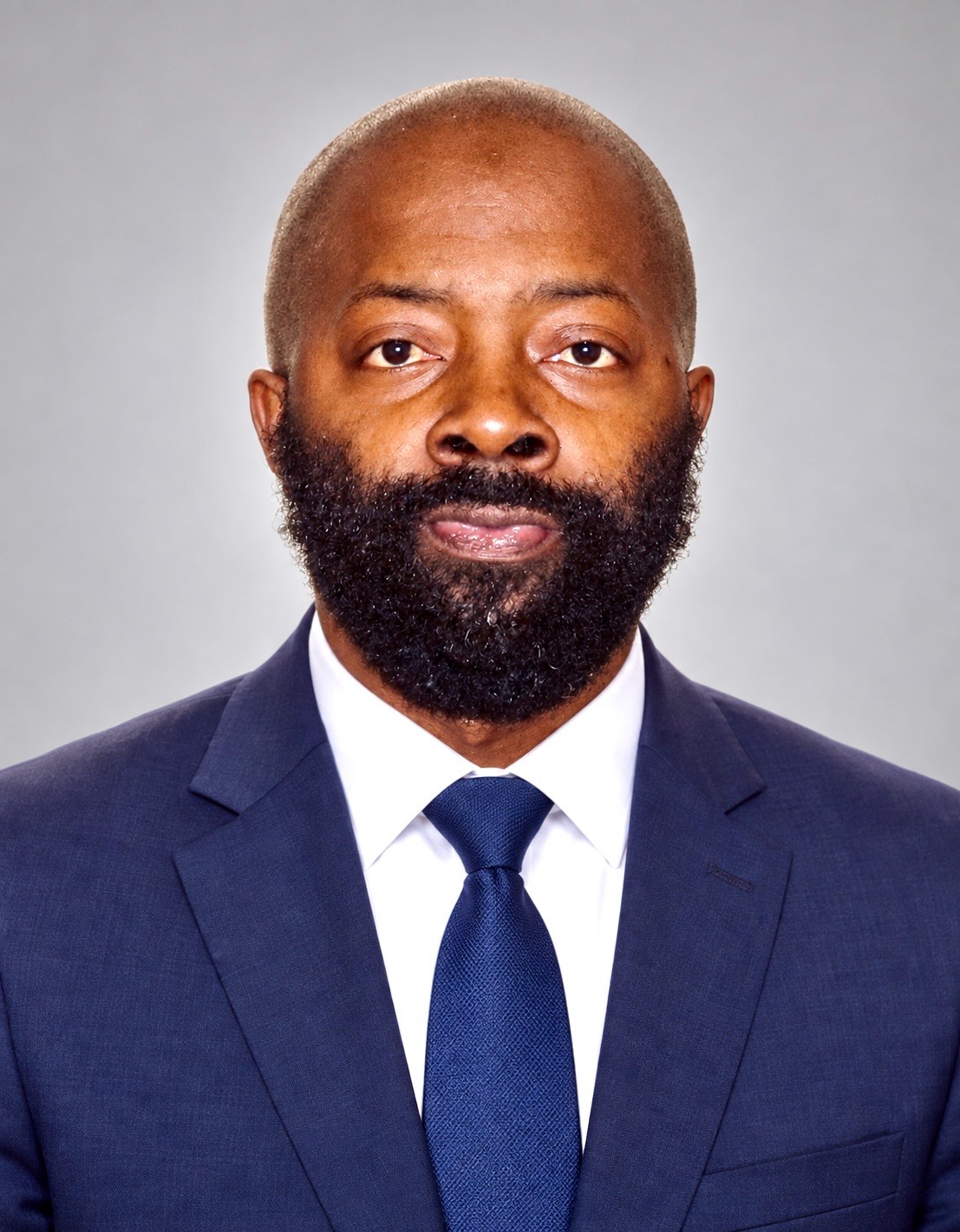
Signature d'auteurMoïse 1er, the Festival Explorer
Moïse 1er's advice — the series
The Moïse 1er Chronicle. Festivals: you have the artists, but have you made people want to come? · Partners and funders · Artists · Managers, producers and promoters · Festival-goers · Backstage
Advice for festivals and pros. The 7 mistakes that keep your festival from being seen · What the programmer looks at in 30 seconds · Your artist isn't touring: 6 manager reflexes · My first festival abroad · Getting booked at festivals · Agent, manager, booker, tour manager: who does what?