I've covered festivals for 20 years: here are the 7 mistakes that keep your festival from being seen
Since 2006, I have held my microphone out at festivals in Guinea, Mali, Senegal, Côte d'Ivoire and now in Quebec. I have seen very beautiful celebrations stay invisible, and small festivals get talked about far beyond their town. The difference is rarely about money. It is about a few reflexes. Here they are, seen from the camera's side.
1. The journalist can't find how to get accredited
It is, by far, the biggest headache of my job. It affects small festivals as much as very big ones.
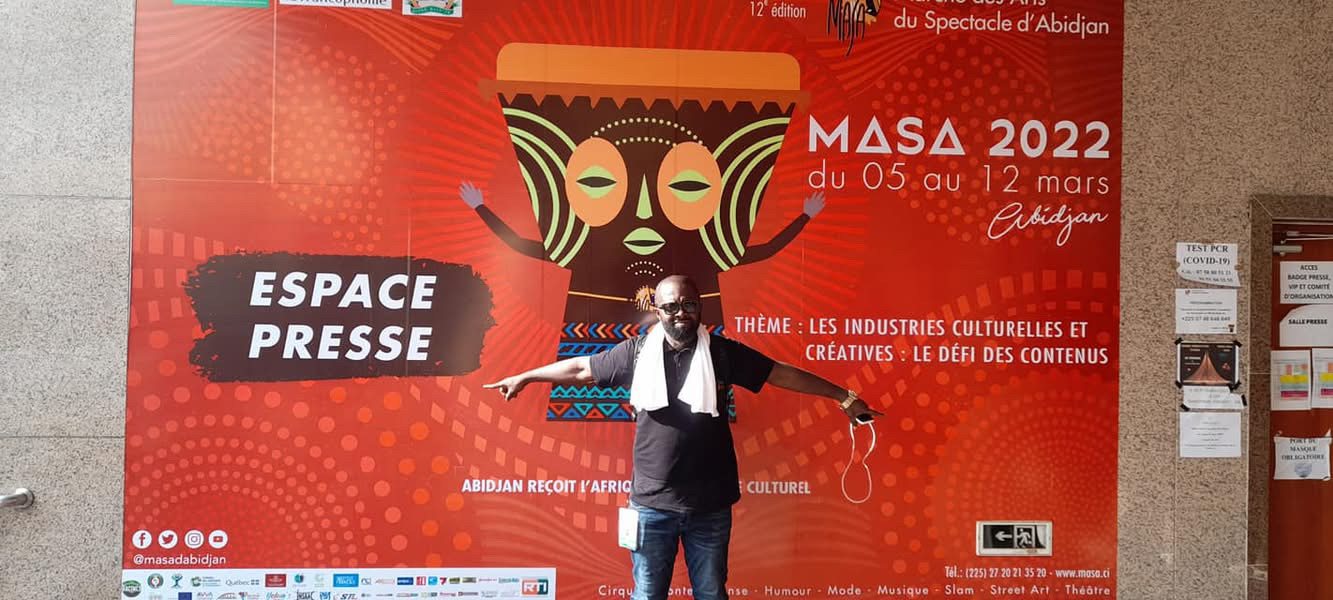
I won't name it, but it was a major French-speaking West African festival. Their site had no accreditation form: you had to write. I sent email after email, and I waited for weeks. My plane ticket was already paid when they finally answered: “It's fine, you'll pick up your accreditation at the press office when you arrive.”
I got off the plane and went straight to the festival headquarters, without even dropping off my things. It was the day before the opening. I found dozens of journalists jostling for a badge, and overwhelmed volunteers looking for our names on long paper lists. After hours of flying, hours of extra stress. We found a solution in the end, but that energy is energy taken away from telling your festival's story.
The solution: a “Press” page visible from the home page, with an online accreditation form and a clear deadline; a written answer to every request, yes or no, at the latest two weeks before the opening; badges prepared in advance, sorted alphabetically, and a press office open from two days before.
2. You have no image ready to share
Before your edition, a media outlet needs a poster, a few quality photos and a short video from last year, free to use. Without images, there is no article, no report, no post.
The solution: an online folder with the logo, the poster, ten photos and a one-minute video, each with its credit. That is what is called a media kit.
3. Your dates come too late, or they change
Festival-goers who travel prepare their trip months in advance. Media outlets build their agenda in advance too. A festival that announces its dates three weeks ahead, or moves them without warning, loses both.
The solution: announce the dates as early as possible, even without the line-up. If a date changes, tell everyone the same day.
4. On the day, nobody can speak for the festival
On site, it is often the same scenario: you can never find the director, or any real decision-maker. You only talk to volunteers, who always answer “I'll get back to you in a moment”. It is not their fault: nobody gave them the power to decide.
The solution: name a spokesperson, give their number to accredited media, and plan in advance a ten-minute interview slot with the management.
5. You treat the media like spectators
A film crew needs simple things: a place to shoot the stage from, a power outlet to recharge, an internet connection, and to know where it is allowed to go. When nothing is planned, the images are less beautiful — and it is your festival that is seen less well.
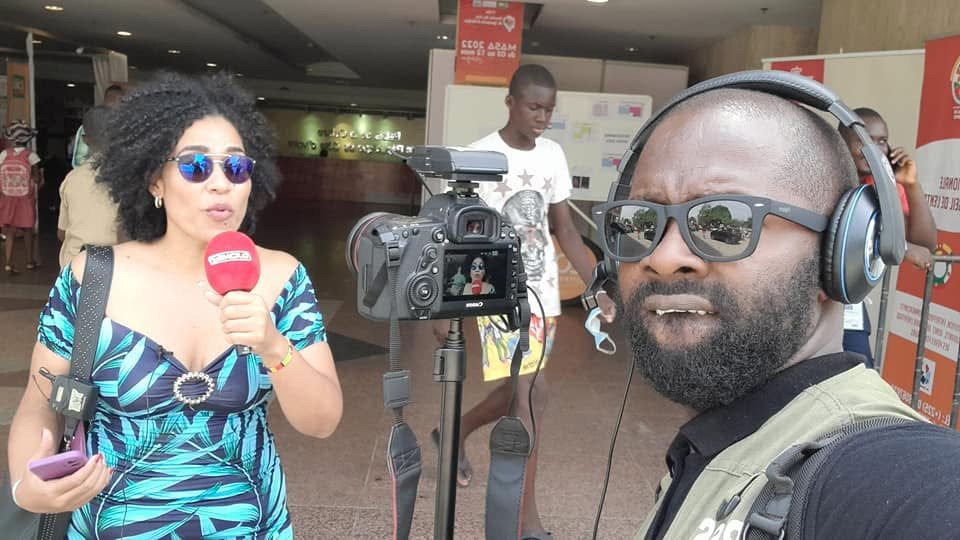
The solution: a small media space, even a modest one, with power, network and a contact person.
6. You talk about your line-up, never about your story
A list of artists — everyone has one. What makes you want to write a story is the people: the founder who started in her backyard, the volunteers who come back every year, the neighbourhood being transformed, the artisans at the market. That is what I look for when I cover a festival: the town, the places and the humans who bring it to life.
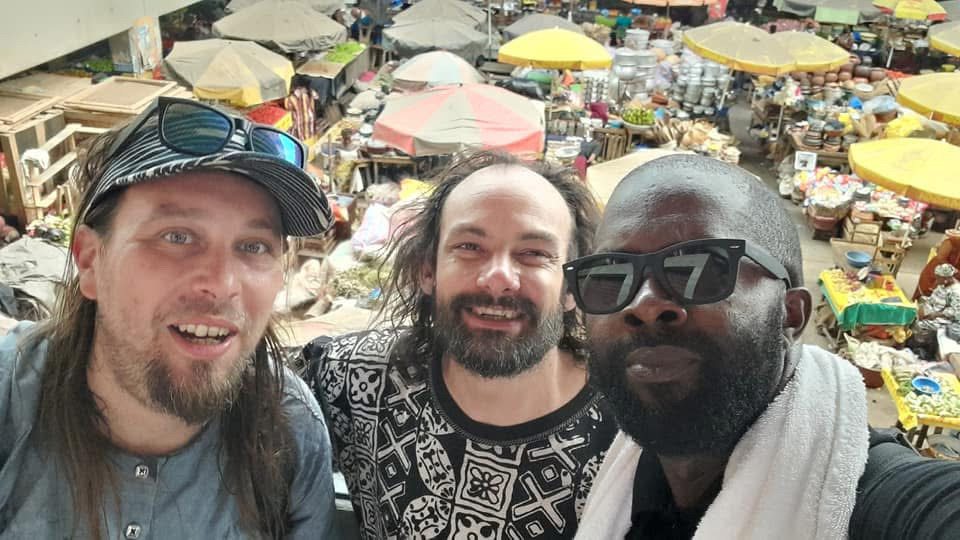
The solution: prepare three or four stories to tell the media, with the people ready to tell them.
7. After the party, you disappear until next year
On the last night, everyone is tired, and the festival goes silent for eleven months. Yet that is just when the images are strongest and the audience most wants to relive the party.
The solution: publish a wrap-up and a film of the edition within two weeks, thank the media who came and send them the beautiful images. They are the ones who will come back next year.
Those who do it well: my memory of MASA 2014
Some festivals stand out. My best memory is MASA, the African Performing Arts Market of Abidjan, in 2014. It was the comeback edition, after years of suspension.
It all began in Ségou, at the Festival sur le Niger, with Mamou Daffé, its founder, whom I consider my spiritual father. He introduced me to Professor Yacouba Konaté, who was then running MASA. Seeing me work in the field, he said: “You — we want you with us too.” He gave me his card and asked me to write to his communications manager.
I sent my email. Almost immediately, everything arrived: the invitation, the accreditation, then full coverage of the trip and the hotel. They only asked for my availability to organise my arrival. I was blown away.
On site, we were, from memory, about a hundred media people, housed together and organised. When I asked for an interview with Koné Dodo, producer and artist manager and then general manager of the Palais de la Culture, he gave me a precise time. When I arrived, everything was ready and the welcome was exceptional.
Here is the lesson: a festival that respects the media is a festival people talk about. I am speaking of the 2014 edition: the teams and the methods have changed since.
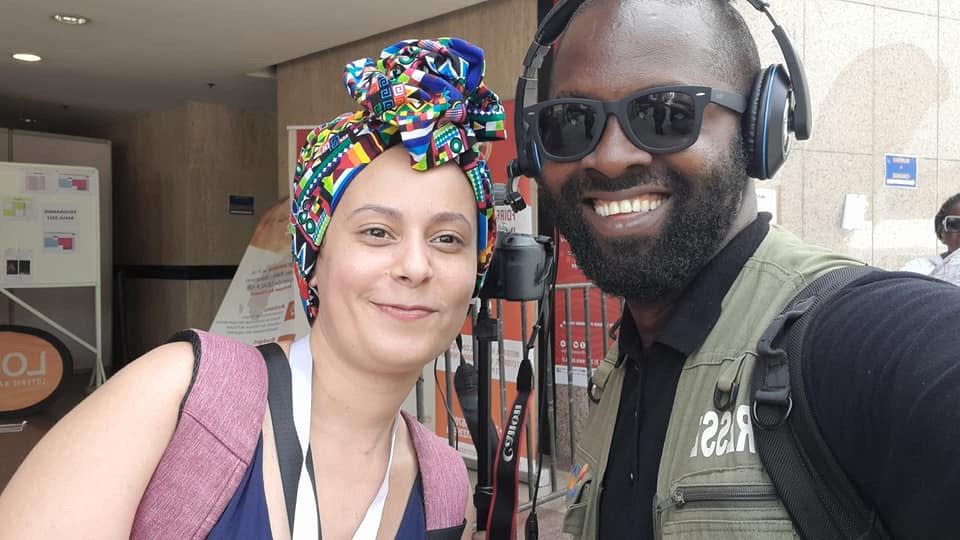
The one-minute checklist
- A Press page with an online accreditation form
- A written answer to every request, at the latest two weeks before
- A media kit: logo, poster, photos, video, credits
- Dates announced early — and kept
- A named spokesperson and an interview slot
- A small media space: power, network, a contact person
- Three human stories to tell
- A wrap-up and a film within two weeks
Your festival may already be in the catalogue
Your festival may already be among the {FEST} festivals in the Festival TV catalogue. Its page is free: claim it to add your dates, your photos, your videos and your calls.
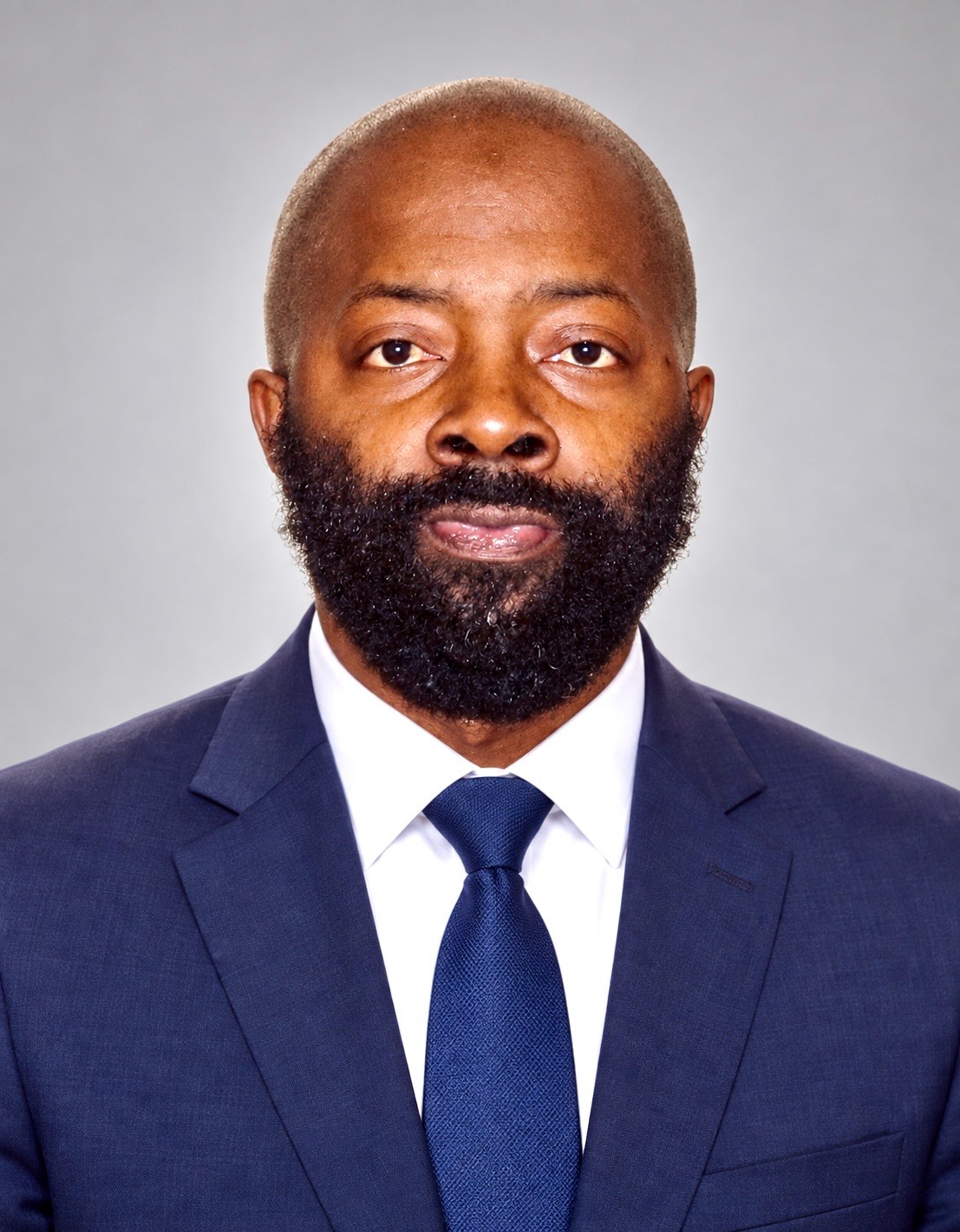
Signature d'auteurMoïse 1er, the Festival Explorer
Moïse 1er's advice — the series
The Moïse 1er Chronicle. Festivals: you have the artists, but have you made people want to come? · Partners and funders · Artists · Managers, producers and promoters · Festival-goers · Backstage
Advice for festivals and pros. The 7 mistakes that keep your festival from being seen · What the programmer looks at in 30 seconds · Your artist isn't touring: 6 manager reflexes · My first festival abroad · Getting booked at festivals · Agent, manager, booker, tour manager: who does what?