Your artist plays a festival: what have you planned for the next day?
The concert is often the most visible moment of a career, but rarely the only one that counts. Around the stage, there are the images the audience will keep, the media who will tell the story, the programmers who will watch, and the audience who will discover your artist for the first time. A good team leaves none of that to chance.
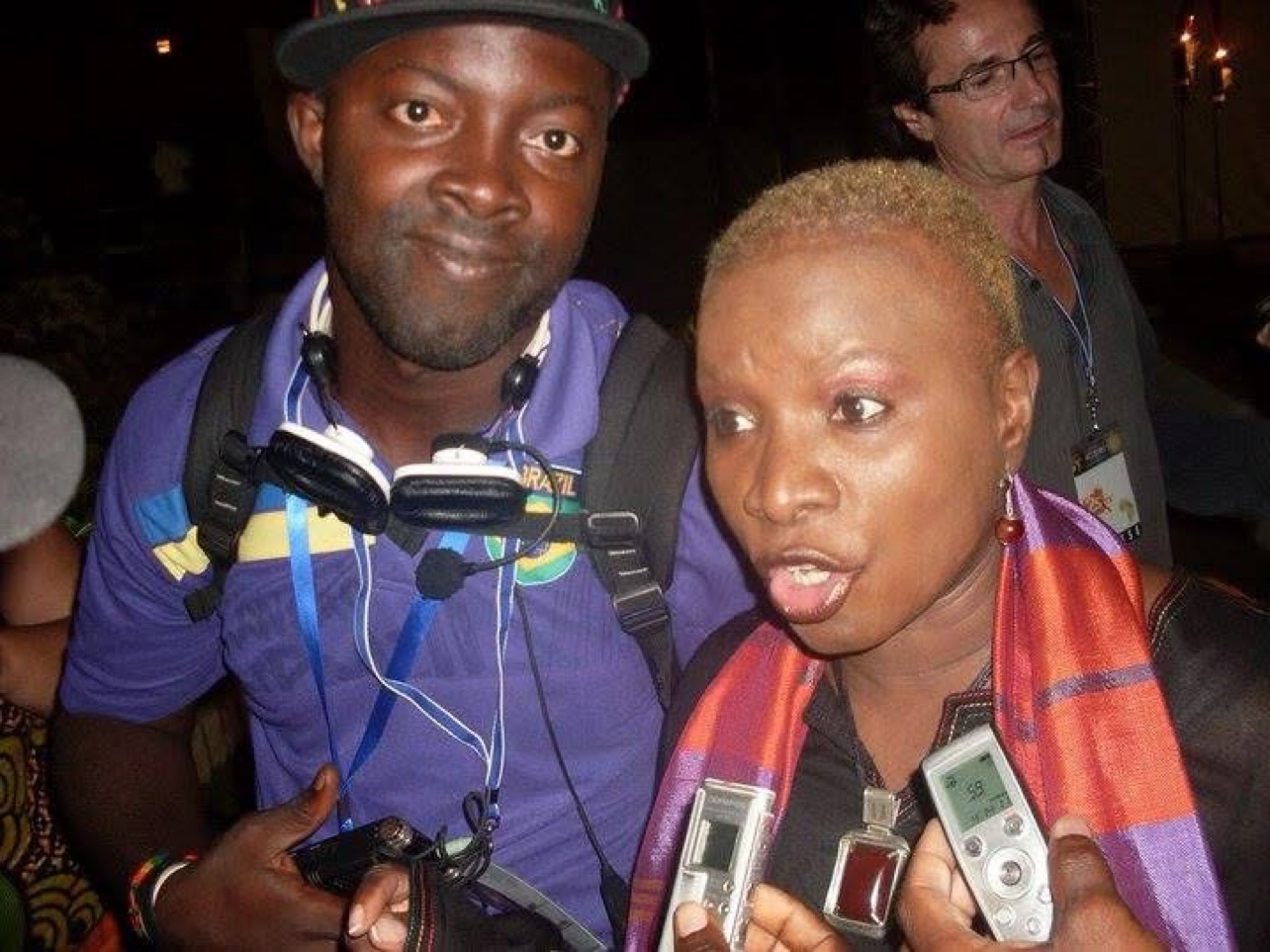
Festival TV speaks here to managers, producers and promoters: to those who prepare, negotiate, organise and support. Five questions come up again and again backstage, and the answers often make the difference between a successful concert and a career that moves forward.
1. The images: who films, who photographs, who broadcasts?
A concert without images is a concert that disappears. Before the date, designate who captures what: a photographer for the official images, one person for short vertical videos, another for backstage. Clarify the rights with the festival: what you may film, what you may publish, and in what form. The best excerpts must be able to circulate the next day, while the audience is still talking about it.
2. The press: have you prepared the story?
The media present at a festival receive dozens of press releases. The one that works tells something: the artist's story, the novelty they bring, the link with the place or with the festival's theme. Prepare a short file, a strong photo and a person reachable on site. An artist available for twenty minutes for an interview can leave with an article, a report or an invitation to come back.
3. The fallout: do you know what the concert produced?
After the festival, gather everything: photos, articles, videos, broadcast figures, audience comments, new followers. This review is not a souvenir: it is the argument for the next negotiation. A programmer who receives a file with documented fallout sees an artist who draws a crowd, not just an artist who plays well.
4. The next day: who thanks, who follows up, who proposes?
The day after the concert, three messages must go out: a thank-you to the festival team, a sending of images and fallout to the media present, and a proposal for what comes next — another date, another format, a meeting. Festivals programme the next edition while the audience is still talking about this one: that is the moment to be present, without pushing.
5. What follows: does this date prepare others?
An isolated date is expensive. A date that fits into a journey — other festivals in the region, media to meet, audiences to build — brings in far more. Before signing, look at the map: which neighbouring festivals, which nearby towns, which possible partners? That is how an invitation becomes a tour, and a tour becomes a lasting presence.
What Festival TV offers
Festival TV supports artists' teams with tools designed for the field: living, shareable artist pages, tracking of calls for applications, and media coverage of the festivals where your artists perform.
- Artist pages that programmers consult all year round.
- A directory of festivals and professionals, with their public contact details.
- Calls for applications under watch, sorted by deadline.
- Editorial visibility on the festivals covered by our explorers.
Prepare your artist's next date
Create a free account and complete your artist's page. For tailored support with your applications and tours, write to us from your account.
Signature d'auteurMoïse 1er, the Festival Explorer
Moïse 1er's advice — the series
The Moïse 1er Chronicle. Festivals: you have the artists, but have you made people want to come? · Partners and funders · Artists · Managers, producers and promoters · Festival-goers · Backstage
Advice for festivals and pros. The 7 mistakes that keep your festival from being seen · What the programmer looks at in 30 seconds · Your artist isn't touring: 6 manager reflexes · My first festival abroad · Getting booked at festivals · Agent, manager, booker, tour manager: who does what?