
Día de los Muertos: Mexico is about to celebrate its dead as nowhere else
The night lights up with the flowery altars of worries, elegant hat skeletons and cemeteries: on November 1 and 2, Mexico celebrates the Día de los Muertos, a festival inscribed in the UNESCO heritage where death looks in front of one another — dancing. A few days before the meeting, a return to a tradition that speaks to all the cultures of the world.
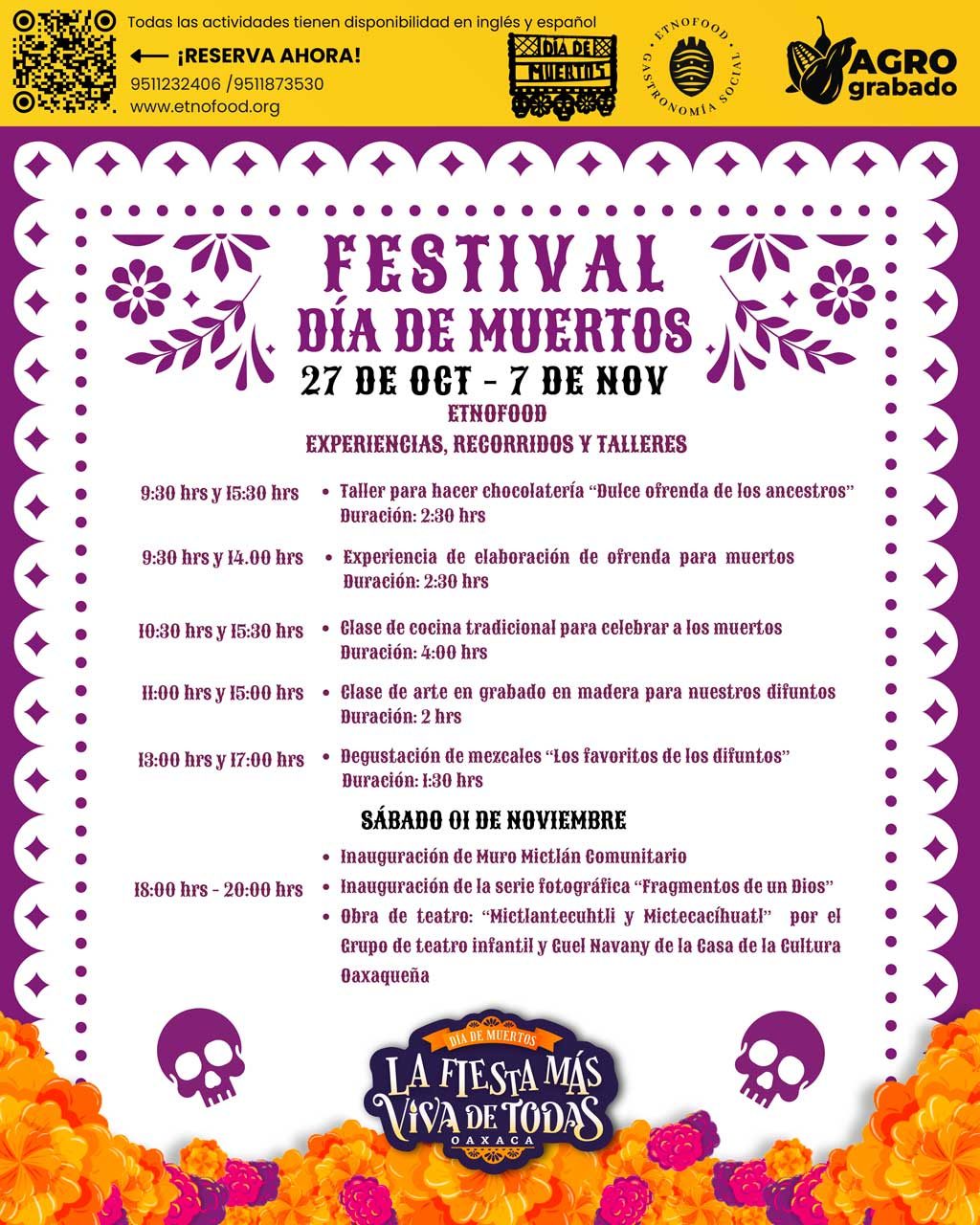
There are festivals that drive fear out, and others that tame it. The Día de los Muertos, on November 1 and 2, in Mexico, belongs to the second family. November 1st is dedicated to missing children, children who are not in the family. Angelitos The second, adults. In houses, altars are erected — the ofrentas — covered with orange flowers of concern, candles, photos and dishes that the deceased loved. In cemeteries, families watch, clean the graves, eat, sing: the night becomes a gathering room.
Catrina, a smile in the face of death
The emblem figure of the feast, Catrina, this skeleton in flowered hat, was born in the early 20th century under the pen of engraver José Guadalupe Posada, before being popularized by Diego Rivera. It recalls, with a smile, that death puts everyone at the same level. In 2008, UNESCO inscribed the feast as an intangible cultural heritage of humanity.
The great dates of the season
Each region has its own way. Oaxaca, the comparison The band is marching between the neighborhoods. Around Lake de Pátzcuaro (Michoacán), the night of Souls on the island of Janitzio see the fishermen throw their paw nets in the light of the candles. San Andrés Mixquic, near Mexico City, theAlumbrada The capital of the city is adding its recent meetings which have become cults: the Monumental Ofreda of the Zócalo (October 29 to November 2) and the "Sunday" of the city of Zócalo (November 2 ). Gran Desfile Saturday 31 October, from Paseo de la Reforma to Zócalo — a parade born in 2016, after a James Bond film imagined it, and which the city decided to make real. The whole week before was rhythmic by the Desfile de Alebrijes (17 October) and the Mega Procesión de las Catrinas (25 October).
For those who look at the world from Africa or Quebec, this festival resonates strongly: honouring ancestors, making memory a celebration rather than a mourning, turning the cemetery into a place of celebration — as many gestures as many cultures know, each in its own way. That's exactly what Festival TV likes to tell: living traditions that connect the living, across borders.
Practical information
Event: Día de los Muertos (Day of the Dead) — Mexican National Day, traditions inscribed in UNESCO's intangible cultural heritage (2008)
Dates: 1 November 2026 (children) and 2 November 2026 (adults)
Imbolic locations: Oaxaca; Pátzcuaro and Janitzio Island (Michoacán); San Andrés Mixquic and Zócalo (Mexico)
In Mexico City: Ofrenda Monumentale from 29 October to 2 November; Gran Desfile on Saturday 31 October at 2 p.m. — Capital calendar taken from the specialist guides citing the official Mexico City calendar; official confirmation pending
Access: popular street and cemetery party, free; no central ticket office
Our cards: Día de Muertos in Oaxaca · Gran Desfile de Mexico · Noche de Ánimas in Pátzcuaro and Janitzio · Xantolo, the Feast of the Dead of Huasteca
— Moïse 1er, the Festival Explorer
Source: Little Fute